

Few parts of London have changed as much, or as quickly, as Canning Town. A century and a half ago it was marshland on the edge of the River Lea. Then came the docks, the factories, and rows of terraced housing for the people who worked in them. Later came war damage, tower blocks, and decades of hard times. Today it’s a district where glass towers rise beside old streets, and where one of the city’s biggest rebuilding projects is still taking shape.
This guide covers where Canning Town is, how it got its name, the history that shaped it, what the regeneration looks like now, and what visitors can actually see. Background details come from Wikipedia’s Canning Town entry and local history sources.
Canning Town at a Glance
| Detail | Information |
| Location | London Borough of Newham, East London |
| Postcodes | E16 and E13 |
| Population | 42,667 across the Canning Town North and Canning Town South wards (2021) |
| Named after | Charles John Canning, the first Viceroy of India |
| Shaped by | The opening of the Royal Victoria Dock in 1855 |
| Key transport | Jubilee line, Docklands Light Railway, and buses at Canning Town; Elizabeth line nearby at Custom House |
| Nearby | Canary Wharf, ExCeL London, Trinity Buoy Wharf, and London City Airport |
Where Is Canning Town?
Canning Town sits in the London Borough of Newham, north of the Royal Victoria Dock and close to Bow Creek, where the River Lea meets the Thames. It’s only a short ride from Canary Wharf and the O2 area, which is a big reason developers have paid so much attention to it. Parts of the district fall under the E16 and E13 postcodes, and it sits alongside neighborhoods like Custom House, Silvertown, and West Ham.
How Canning Town Got Its Name
The name comes from Charles John Canning, the first Viceroy of India. Naming new Victorian settlements after prominent figures of the day was common, and the district grew up quickly once it had a name and a purpose.
A Short History of Canning Town
From Marshland to Dockland
The area was mostly marsh until the railway arrived. After the line from Stratford to North Woolwich opened in 1846, the population began to climb. The first passenger station was called Barking Road. The real turning point came in 1855 with the opening of the Royal Victoria Dock. Local historians have called Canning Town the child of the Victoria Docks, because its growth followed so closely from the dock’s creation.
The docks brought work, and work brought housing. Chemical plants, shipbuilding yards, and sugar refineries grew up nearby, and neighborhoods like Hallsville, Custom House, and Silvertown spread out around the water. Conditions were hard. Many early streets lacked clean water and proper drainage, and disease was a real problem for dock workers and their families.
The Blitz and Post War Rebuilding
Because the Royal Docks were vital to London’s economy, the neighborhoods around them were heavily targeted in the Second World War. A local guide from Londonopia, citing Newham Council, notes that 85 percent of the housing in post war Canning Town was demolished. Rebuilding focused on new estates like the Keir Hardie Estate, along with schools and welfare services, and the first high rise buildings appeared in 1961.
Ronan Point
In 1968, Ronan Point, a 22 storey tower block in Newham, partly collapsed after a gas explosion. The disaster led to major changes in building rules, and many of the tall blocks built in the early 1960s were eventually demolished or reduced in height. It remains one of the most important chapters in the story of British public housing.
A Diverse Community
Canning Town has long been a place of mixed communities. Before the Windrush era, it had one of the largest Black populations of any area in London, and the district has produced well known figures, including West Ham footballers. That history is still part of what makes the area distinctive.
Canning Town Regeneration Today
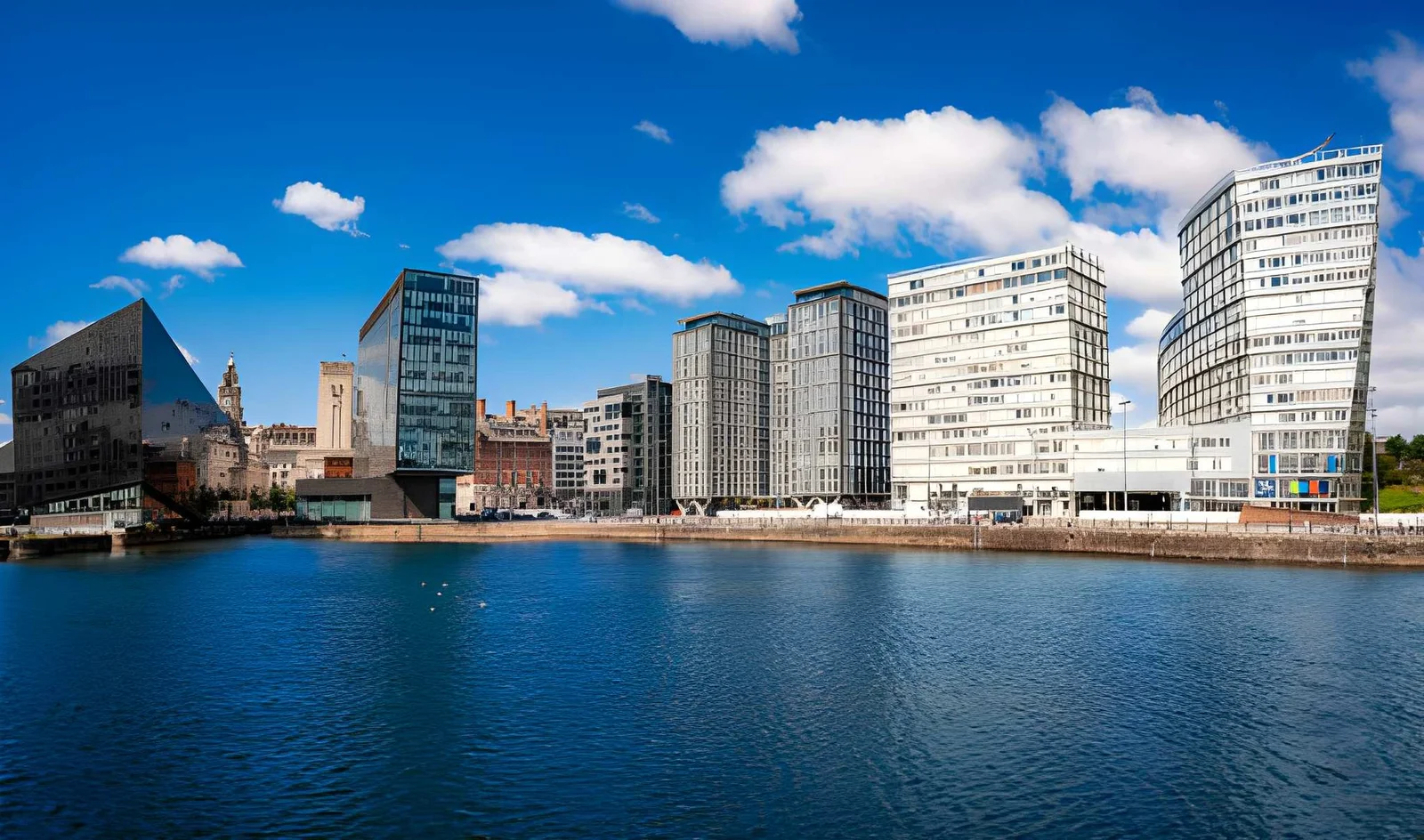
Canning Town and neighboring Custom House have been the focus of a regeneration program running into the billions of pounds. It includes plans for up to 10,000 new homes, thousands of new jobs, and improved town centers. A major part has been the redevelopment of the town center around Hallsville Quarter, with new homes, shops, and community facilities, and further additions such as a health center, cinema, and offices.
Not everyone has welcomed the changes equally. Redevelopment brings new housing and investment, but it also raises questions about affordability and what happens to long standing communities. Both sides of that story are part of understanding the area today.
Large regeneration projects like this one also tie into wider economic questions about housing, investment, and urban growth. Readers interested in those themes can find related coverage in the economy section of Pak Spectrum.
Getting to and Around Canning Town
Transport is one of the area’s biggest strengths. Canning Town is an interchange station, and a single Jubilee line stop gets passengers to Canary Wharf in about three to four minutes.
| Option | What It Offers |
| Jubilee line | Direct trains to Canary Wharf, Stratford, London Bridge, Waterloo, and the West End |
| Docklands Light Railway | Links to Canary Wharf, Stratford, and the Royal Docks |
| Elizabeth line | Available at nearby Custom House, with fast east to west connections across London |
| Buses | Several routes run through the Canning Town interchange |
| Cable car | Crosses the Thames between the Royal Docks and Greenwich Peninsula |
| London City Airport | Close by, reachable by DLR |
Things to Do in and Around Canning Town
Trinity Buoy Wharf
A short walk toward the river, Trinity Buoy Wharf is home to London’s only surviving lighthouse, a quirky waterfront space with creative studios and views across Bow Creek and the Thames. It’s one of the most distinctive places in East London and a good starting point for a visit.
Cody Dock
Cody Dock is a small, restored dock on the River Lea that has become a community space. It’s known for its rolling footbridge, which tips over to clear the way for passing boats, and it’s a pleasant stop for a waterside walk.
Royal Victoria Dock and ExCeL London
Just south of Canning Town, the Royal Victoria Dock has been reinvented as a leisure and events area. ExCeL London, a huge exhibition and convention center, sits on its edge, and concerts, trade shows, and sporting events happen throughout the year.
Keir Hardie Recreation Ground
For a quieter break, Keir Hardie Recreation Ground offers green space in the middle of an otherwise busy urban area.
Living in Canning Town
For people thinking about moving here, a few points tend to come up again and again.
- Strong transport links, especially the Jubilee line and DLR, make commuting to Canary Wharf and central London quick.
- Property prices tend to be more affordable than in many other parts of London, though they’ve risen with regeneration.
- New developments bring modern homes, but construction is ongoing, so some streets feel unfinished.
- A mix of established communities and newer residents gives the area a lively, varied feel.
- The A13 and other major roads run nearby, which can mean noise and traffic in some spots.
Tips for Visiting Canning Town
- Start at Canning Town station and walk toward Trinity Buoy Wharf to see the lighthouse and riverfront.
- Add Cody Dock if you enjoy waterside walks, and check opening times first.
- Plan a stop at ExCeL London or the Royal Victoria Dock if there’s an event on.
- Use the Jubilee line and DLR rather than driving, since parking can be limited.
- Bring comfortable shoes, since the best parts of the area are explored on foot.
For more on London’s wider history and what makes its neighborhoods different, East London History offers a useful local perspective.
Canning Town also fits well into a bigger London trip alongside Canary Wharf and the Thames. For more destination ideas, browse the travel and tourism section on Pak Spectrum.
Final Thoughts
Canning Town tells the story of East London in one place: marshland turned into a dock town, a community shaped by work, war, and rebuilding, and a district now reinventing itself with new homes and new connections. It isn’t a polished tourist destination, and that’s part of its appeal. For anyone curious about how London changes, a visit offers something more honest than a postcard.
Frequently Asked Questions
Where is Canning Town?
Canning Town is a district in the London Borough of Newham in East London, north of the Royal Victoria Dock and near the River Lea.
Why is it called Canning Town?
It is named after Charles John Canning, the first Viceroy of India.
How long does it take to get from Canning Town to Canary Wharf?
A single stop on the Jubilee line takes about three to four minutes.
What is Canning Town known for?
It is known for its dock history, its large scale regeneration, and nearby attractions such as Trinity Buoy Wharf, Cody Dock, and ExCeL London.
Is Canning Town a good place to live?
It offers strong transport links, newer housing, and relatively affordable prices compared with some other parts of London, though construction and traffic are common. Whether it suits someone depends on budget, commute, and lifestyle.
Does the Elizabeth line stop at Canning Town?
No. The Elizabeth line stops at nearby Custom House, while Canning Town itself is served by the Jubilee line, the DLR, and local buses.