


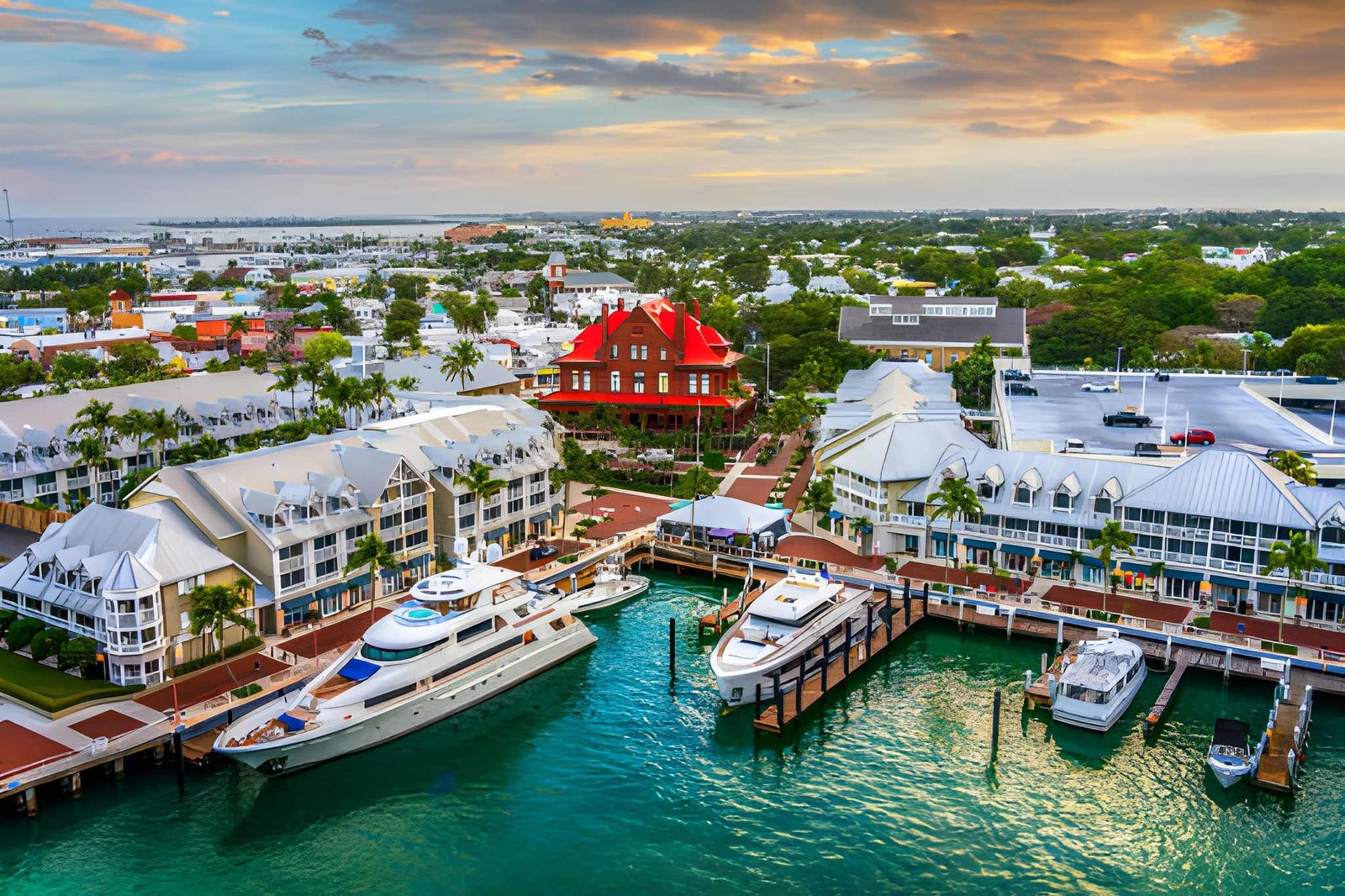
Ask ten people where to stay in the Florida Keys and you’ll get ten different answers, and honestly, they’re probably all right. The islands run over 100 miles end to end, and the mood changes almost every time you cross a bridge. Key Largo feels like a dive shop that happens to have a hotel attached. Key West feels like a party that lost track of what time it is. Somewhere in between, you’ll find quiet mangrove coastline where the loudest thing around is a heron. Here’s the fact that makes planning easier than it sounds: the whole chain sits along one road, the Overseas Highway, and everything is located by mile marker instead of a street address. Once that clicks, picking a base stops being guesswork. Below, I’ll walk through each region, what kind of lodging you’ll actually find there, and how to match a spot to the trip you’re planning, not the one a brochure is trying to sell you.
Understanding How the Florida Keys Are Laid Out
One road connects the whole chain: US Highway 1, better known down here as the Overseas Highway. It runs about 113 miles from the mainland to Key West, crossing more than 40 bridges on the way, including the famous stretch over open water at Seven Mile Bridge. There’s no shortcut, no bypass, no back way around traffic. Wherever you end up staying, you’ll be on this same road to get anywhere else, which is a big part of why the location you pick matters so much more here than it would in a typical city.
The Mile Marker System Explained
Forget street addresses for a second. In the Keys, most places are described by mile marker, or MM for short. Key West sits at MM 0, and the numbers get bigger as you head back toward the mainland. So a hotel at MM 82 is roughly 82 miles from Key West, not from wherever you happen to be standing. You’ll also hear bayside and oceanside thrown around a lot, which just means which side of the highway a place sits on. It sounds confusing for about ten minutes, and then it just makes sense.
Key Largo: Best for Divers and First Time Visitors
Key Largo is the first island you hit coming down from Miami, and pretty much everything about it revolves around what’s under the water. John Pennekamp Coral Reef State Park anchors the whole area, offering snorkeling, scuba, and glass bottom boat rides over living coral reef, and it happens to be the first underwater park the country ever set aside. If your weekend is short, or you just don’t feel like a three hour drive, staying here saves you a lot of windshield time compared to pushing all the way south. It’s a solid pick if reef diving matters more to you than a walkable downtown, though anyone hoping for late night bars and crowded sidewalks will want to keep driving.
Islamorada: Best for Fishing and Laid Back Luxury
Islamorada bills itself as the sportfishing capital of the world, and having watched the charter boats head out at dawn, I’d say that’s not just marketing. Backcountry flats fishing, offshore trips for sailfish and mahi, it’s all here. What surprises a lot of first time visitors is how upscale the resorts get without any of the Key West chaos. You get waterfront dining and a genuinely slower pace, which makes it a good match for couples who want a nicer property without a nightlife scene attached. If walking to a bar without a car is the goal, though, this isn’t really the island for that.
Marathon: Best for Families and a Central Base
Marathon sits almost dead center in the chain, which is exactly why it works so well as a home base. You can head north toward Islamorada or south toward Key West without committing an entire day to driving. It’s quieter and more residential feeling than Key West, and it has enough kid friendly stops, the Turtle Hospital and Sombrero Beach among them, to keep families busy without a lot of planning. It’s a practical choice more than a glamorous one, and for a lot of trips, practical wins.
The Lower Keys: Best for Nature and Quiet
Big Pine Key and the stretch around Bahia Honda State Park make up the least developed part of the whole chain, and that’s the entire draw. Come here to slow down. The Key deer, a small subspecies found nowhere else on the planet, wander around Big Pine like they own the place, and the beaches see a fraction of the crowds you’d find further south. Don’t expect much in the way of restaurants or shopping within walking distance. That trade off is kind of the point.
Key West: Best for Nightlife, History, and Walkability
Key West sits at Mile Marker 0, the southernmost point of the continental United States, and it’s the loudest, most walkable, most historic stop on the whole route. Duval Street runs straight through Old Town, lined with bars, live music, and shops, and a lot of the historic district, including the Ernest Hemingway House, can be seen entirely on foot. It’s also, unsurprisingly, the most expensive and most crowded island in the chain, especially once winter hits. If you want to leave the car parked and just wander, this is where to do it.
Florida Keys Region Comparison
| Region | Best For | Vibe |
|---|---|---|
| Key Largo | Diving and snorkeling, short trips from Miami | Outdoorsy, low key |
| Islamorada | Fishing charters, upscale relaxation | Slow paced, upscale |
| Marathon | Families, a central home base | Residential, practical |
| Lower Keys | Wildlife, quiet beaches, nature | Remote, peaceful |
| Key West | Nightlife, history, walkability | Lively, social |
Types of Places to Stay in the Florida Keys
Region is only half the decision. The other half is what kind of place you actually want to sleep in, and the options vary more than you’d expect for such a small stretch of islands.
Resorts
These are the big, full service properties: pools, on site restaurants, planned activities, the works. Little Palm Island Resort & Spa, Hawks Cay Resort, and Cheeca Lodge & Spa are the names that come up again and again, and you’ll find most of them clustered around Islamorada, Marathon, and Key Largo. They’re a good fit for couples or families who’d rather not leave the property much.
Boutique Hotels and Inns
Key West’s Old Town is full of these, small properties, often under 50 rooms, with a lot more personality than a standard chain hotel. You pay for location as much as anything, since most of them put you within a few blocks of everything.
Vacation Rentals
If you’re traveling with a group, or staying a week or more, a house or condo with a real kitchen starts to make a lot more sense than a hotel room. Marathon and the Lower Keys have a deeper supply of these, usually at prices you won’t find in Key West.
Campgrounds and RV Parks
The budget option, and honestly, one of the best ways to experience the Keys if you don’t mind roughing it a little. Bahia Honda State Park lets you camp right on one of the nicest beaches in the entire chain, but be warned, sites go fast once peak season rolls around.
Best Time to Visit and How It Affects Your Stay
December through April is peak season across the board, meaning the highest prices and the biggest crowds, Key West especially. Late spring and early fall tend to be the sweet spot: lower rates, fewer people, and weather that’s still mostly cooperative. Summer brings the heat and humidity you’d expect, plus a real chance of tropical weather. If you’re booking anywhere in the June through November window, it’s worth checking the National Hurricane Center’s outlook before you commit to anything nonrefundable.
How to Choose Where to Stay Based on Your Trip
- Decide what matters most: diving, fishing, nightlife, family activities, or quiet nature.
- Match that priority to a region using the comparison table above.
- Pick a lodging type that fits your group size and budget.
- Check the mile marker of any property you’re considering against the things you want to do.
- Book resorts and vacation rentals early if you’re traveling during winter or spring break.
Quick tip: If you can’t decide between two regions, consider splitting your trip. Spend a few nights in Key Largo or Islamorada, then finish with a few nights in Key West. The drive between them is part of the experience, not just a way to get there.
Common Mistakes to Avoid
- Booking a Key West hotel and assuming parking comes with it. It usually doesn’t, and downtown parking is tight and often billed as a separate fee.
- Expecting every island to feel like Key West. Most of them don’t, and that’s usually the whole appeal.
- Waiting until the last minute to book over winter holidays or spring break. Rooms across the entire chain disappear fast.
- Not checking the mile marker before you book, then realizing halfway through the trip that your hotel is an hour from the one thing you actually came for.
Conclusion
There’s genuinely no single right answer here. It comes down to whether you’d rather dive a reef at sunrise, fish for tarpon all afternoon, watch the sunset from a packed pier with a drink in hand, or just sit on a quiet beach where nobody’s bothering you. Use the regions above to narrow things down, pick a lodging style that fits your group, and if you’re traveling anywhere near peak season, book earlier than feels necessary. Once the base is locked in, the rest of the trip has a way of sorting itself out.
Frequently Asked Questions
What is the best area to stay in the Florida Keys for first time visitors?
Key Largo or Islamorada work well for first timers, since both are closer to the mainland, easier to reach, and still offer classic Keys activities like snorkeling and fishing without the higher prices and crowds of Key West.
Is it better to stay in Key West or Key Largo?
Key West suits travelers who want nightlife, history, and a walkable downtown. Key Largo suits travelers who want diving, snorkeling, and a shorter drive from Miami. Neither is objectively better, it depends on what you want out of the trip.
How many days do you need in the Florida Keys?
A minimum of three to four days lets you settle into one or two regions without spending the whole trip in the car. A week or more allows a slower pace across multiple islands.
Do I need a car to get around the Florida Keys?
Yes, in almost every region except central Key West, where many attractions, restaurants, and bars are within walking distance of most hotels.
What is the cheapest area to stay in the Florida Keys?
Marathon and the Lower Keys generally offer lower nightly rates than Key West or Islamorada, along with more vacation rental and campground options.
When is the best time to book a hotel in the Florida Keys?
Book as early as possible for winter and spring travel, ideally two to three months ahead. Late spring and early fall offer more availability and lower rates with a shorter booking window.
Can you stay somewhere in the Florida Keys without a resort fee?
Yes, though resort fees are common at larger properties. Smaller inns, vacation rentals, and campgrounds are more likely to skip this charge, so it’s worth checking the total price before booking.
Sources
Overseas Highway mile marker system explained: Florida Keys Overseas Highway Mile Marker Guide
Official regional overview of the islands: Florida Keys & Key West Overview
Independent roundup of upscale properties across the chain: Best Resorts in the Florida Keys