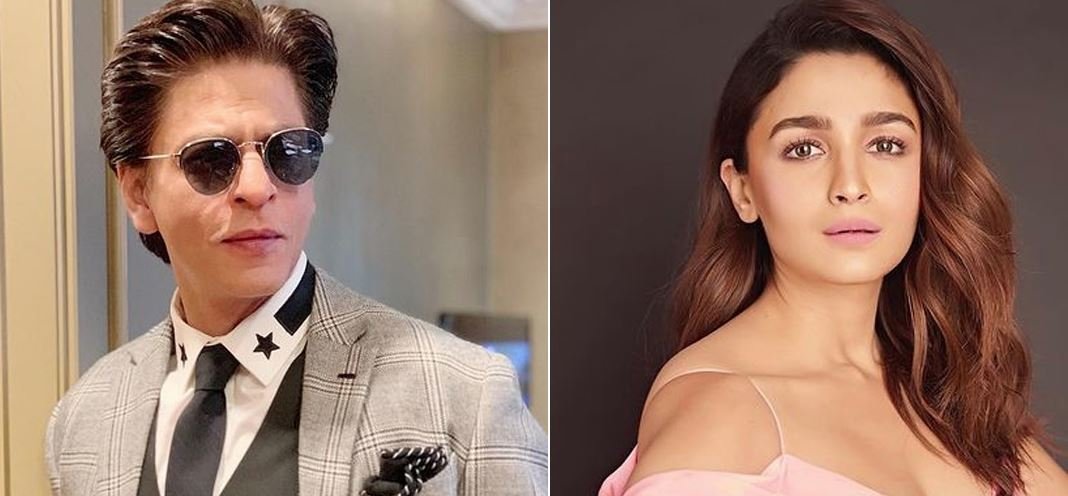



Getting an invite that says “smart casual” can send anyone straight into their closet, unsure what to pull out. You don’t want to show up overdressed in a suit, but a t-shirt and sneakers feel too relaxed too. That mix of confusion is exactly why the smart casual dress code trips up so many people, from job interview candidates to wedding guests. This style sits right in the middle of casual and formal, blending polish with comfort. According to etiquette experts, dress codes exist to help people quickly signal the right level of formality for an event, saving guests from guesswork. In this guide, you’ll get a clear breakdown of what smart casual actually means, outfit ideas for men and women, common mistakes to avoid, and quick answers to the questions people search for most.
What Does Smart Casual Dress Code Mean?
Smart casual is a style that blends the polish of formal wear with the comfort of everyday clothing. Think of it as “dressed up, but not too dressed up.” It’s the dress code you’ll see most often on wedding invitations, upscale restaurant policies, and modern office guidelines.
The core idea is balance. You’re not wearing jeans and a hoodie, but you’re also not putting on a full suit and tie. Instead, you pick pieces that look intentional and put-together while still feeling relaxed enough to move through your day comfortably.
Quick definition: A smart casual dress code means combining tailored or structured clothing (like blazers, chinos, or button-down shirts) with more relaxed pieces (like clean sneakers or a simple dress), avoiding both extreme formality and extreme casualness.
Smart Casual vs Casual Dress Code: What’s the Difference?
People often mix up smart casual dress code with a regular casual dress code, but they’re not the same thing.
| Feature | Casual Dress Code | Smart Casual Dress Code |
|---|---|---|
| Tops | T-shirts, tank tops | Button-downs, polos, fitted blouses |
| Bottoms | Ripped jeans, shorts | Chinos, tailored trousers, dark denim |
| Shoes | Flip-flops, worn sneakers | Loafers, clean sneakers, low heels |
| Overall Vibe | Relaxed, everyday wear | Polished but comfortable |
| Best For | Errands, casual hangouts | Work events, dinners, weddings |
A casual dress code gives you almost no rules. A smart casual dress code asks you to add a bit of structure and effort, without going all the way to formal wear.
Smart Casual Dress Code for Men
Men often find smart casual easier once they understand it’s about pairing one “dressed up” item with one “relaxed” item.
Tops and Shirts
- Button-down shirts (solid colors or subtle patterns)
- Polo shirts in quality fabric
- Fine-knit sweaters or lightweight sweatshirts
- Avoid graphic tees or oversized logos
Bottoms
- Chinos or tailored trousers
- Dark, well-fitted jeans without rips
- Avoid athletic shorts or joggers unless the venue is very relaxed
Shoes and Footwear
- Leather loafers or derby shoes
- Clean, minimal sneakers
- Avoid flip-flops, worn-out trainers, or heavy work boots
Outerwear and Layers
- Blazers in navy, gray, or neutral tones
- Structured jackets
- A quality cardigan for cooler weather
Simple men’s smart casual formula: Button-down shirt + chinos + loafers or clean sneakers + optional blazer.
Smart Casual Dress Code for Women
For women, smart casual dress code gives more flexibility, but the same “polished plus comfortable” rule still applies.
Dresses and Skirts
- Midi dresses in solid colors or simple prints
- A-line or pencil skirts
- Avoid overly casual sundresses or beachwear
Tops and Bottoms
- Blouses, fitted knit tops, or structured shirts
- Tailored trousers or dark jeans
- Avoid gym wear, tank tops, or overly casual crop tops
Shoes and Accessories
- Block heels, loafers, or clean flats
- Minimal jewelry that complements the outfit
- Avoid flip-flops or worn sneakers
Simple women’s smart casual formula: Blouse or fitted top + tailored trousers or midi skirt + block heels or loafers + light jacket.
Smart Casual Outfit Examples by Occasion
Office and Work Events
Pair a button-down or blouse with tailored trousers, then finish with loafers. Add a blazer if the meeting feels more formal.
Weddings and Parties
Choose a midi dress or a shirt-and-chinos combo in a slightly dressier fabric, like linen or fine cotton. Save sneakers for daytime events only.
Dinner and Date Night
Go for a sweater with dark denim or a simple dress with heeled sandals. Add one statement accessory to elevate the look without overdoing it.
What to Avoid in a Smart Casual Dress Code
Some items instantly clash with a smart casual dress code, no matter how you style them.
- Graphic t-shirts or oversized logos
- Athletic wear, including leggings and joggers
- Flip-flops or beach sandals
- Ripped or heavily distressed denim
- Baseball caps at formal-leaning events
- Overly bright, cartoonish prints
Tip: If you’re unsure whether an item fits, ask yourself if you’d wear it to a nice dinner with your boss. If the answer is no, skip it.
Smart Casual vs Business Casual: Quick Comparison
| Element | Business Casual | Smart Casual |
|---|---|---|
| Formality Level | Higher | Moderate |
| Typical Setting | Office, corporate meetings | Weddings, dinners, mixed events |
| Footwear | Dress shoes, closed-toe flats | Loafers, clean sneakers, low heels |
| Flexibility | Lower | Higher |
Business casual leans more formal and rule-based, while smart casual dress code leaves room for personal style as long as the outfit stays polished.
Seasonal Tips for Smart Casual Dressing
Summer: Lightweight linen shirts, breathable trousers, and open loafers keep you cool while staying polished.
Winter: Wool sweaters, structured coats, and ankle boots add warmth without sacrificing style.
Rainy Days: A tailored trench coat works well over any smart casual outfit and keeps the look intact.
Common Mistakes People Make With Smart Casual
- Going too casual — Wearing sneakers with holes or faded graphic tees defeats the purpose of the dress code.
- Overdressing — A full suit or floor-length gown can feel out of place at a smart casual event.
- Ignoring fit — Ill-fitting clothes make even good pieces look sloppy. Tailoring matters more than the price tag.
- Skipping details — Wrinkled shirts, scuffed shoes, or mismatched colors quickly break the polished look.
- Copying formal dress codes exactly — Smart casual isn’t business formal; it should still feel approachable.
Frequently Asked Questions
What should women avoid wearing in a smart casual dress code?
Women should avoid gym wear, flip-flops, and overly casual sundresses, since these clash with the polished feel of a smart casual look.
Is smart casual the same as business casual?
No. Smart casual is generally more relaxed and flexible than business casual, which leans closer to traditional office formality.
What shoes go best with a smart casual dress code?
Loafers, block heels, low heels, and clean sneakers all work well, depending on the occasion and how formal the event feels.
Can men wear a t-shirt for smart casual?
Plain, well-fitted t-shirts can sometimes work if paired with a blazer or structured jacket, but graphic tees should be avoided.
Final Thoughts
A smart casual dress code doesn’t have to feel confusing once you understand the balance it’s asking for: polished, but not overdone. Pick one structured piece, like a blazer, button-down, or tailored trouser, and pair it with something more relaxed, such as clean sneakers or a simple dress. Once you get the formula down, dressing for weddings, dinners, and work events becomes a lot less stressful. Next time an invite says “smart casual,” you’ll already know exactly what to wear.
Read the more blogs on lifestyle: https://pakspectrum.com/category/lifestyle/