


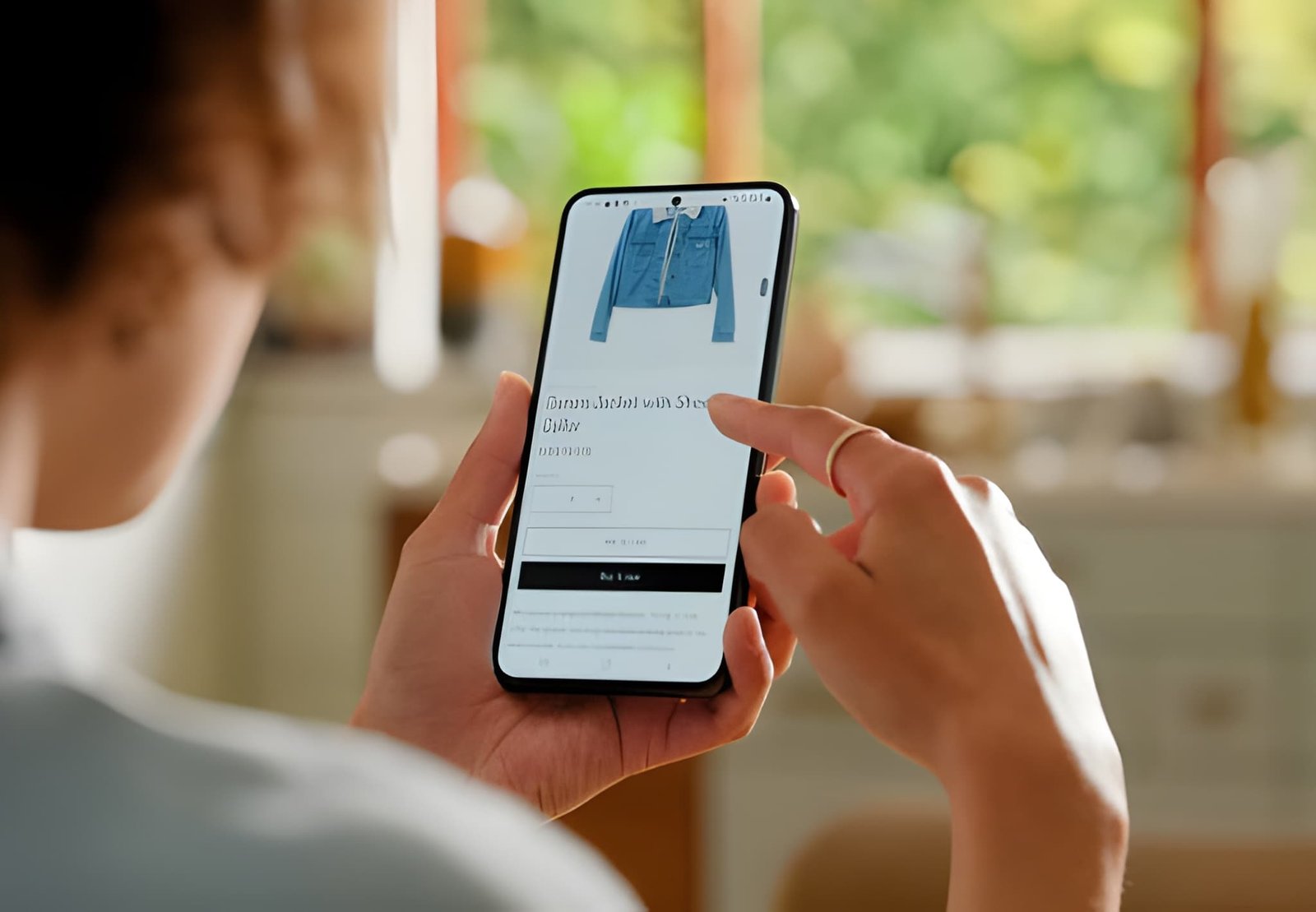
More shoppers than ever now browse, compare and buy from their phones. If you run an online store, a mobile app can turn occasional visitors into loyal customers with faster checkout, personalized offers and push notifications. But the app is only as good as the team that builds it. Choosing the right ecommerce mobile app development company can decide whether your app drives sales or sits unused in the app store.
This guide shows you how to select the best partner for your online store. It covers the features to look for, the questions to ask, the costs to expect and the mistakes to avoid. If you are new to the topic, e-commerce simply means buying and selling goods or services over the internet, and a mobile app brings that experience directly to your customer’s pocket.
Why Your Online Store Needs a Mobile App
A responsive website is a good start, but an app offers advantages that a browser cannot match. Customers stay logged in, so they can reorder with a few taps. Push notifications bring them back with sale alerts and cart reminders. Apps also load faster, remember preferences and can use phone features such as the camera for barcode scanning or visual search.
These benefits often lead to higher conversion rates, bigger order values and stronger customer loyalty. However, a slow, buggy or confusing shopping app does the opposite, which is why the choice of development partner matters so much.
Step 1: Define Your Business Goals and Features
Start by deciding what you want the app to achieve. Do you want to increase repeat purchases, reach younger shoppers, launch a loyalty program or simply make checkout easier? Clear goals help an agency recommend the right solution and give you an accurate quote.
Then list the features you need. Most ecommerce apps include product catalogs, search and filters, user accounts, wishlists, a shopping cart, secure payments, order tracking, reviews and push notifications. Advanced options include personalized recommendations, augmented reality previews, voice search, live chat and loyalty rewards. Separate the must-have features from the nice-to-haves so you can launch faster and add more later.
Step 2: Look for Real Ecommerce Experience
Building a shopping app is very different from building a simple utility or game. It requires handling large product catalogs, inventory updates, multiple payment methods, shipping rules, taxes and customer data. A company with proven ecommerce experience will already understand these challenges.
Ask to see live shopping apps the team has built. Download them and test the experience yourself. Is the search quick? Is checkout smooth? Does the app handle poor internet connections? Case studies that show results, such as higher conversion rates or more repeat customers, are even more valuable than screenshots.
Step 3: Check Platform Integration Skills
Your app must work smoothly with the systems that already run your store. That might include Shopify, WooCommerce, Magento, BigCommerce or a custom platform, along with inventory software, customer relationship tools and shipping providers.
A strong ecommerce mobile app development company will integrate these through secure APIs so that products, prices, stock levels and orders stay in sync between your website and your app. Ask about their past integrations and how they handle data updates in real time.
Step 4: Choose Between Native and Cross-Platform
Your technology choice affects cost, speed and performance. Native apps, built separately for iOS and Android, offer the best performance and smoothest animations. Cross-platform frameworks such as Flutter and React Native let one team build for both systems, which usually reduces cost and speeds up delivery.
For many online stores, cross-platform development delivers excellent results at a lower price. Stores with very complex features or heavy graphics may prefer native development. A trustworthy agency will explain the trade-offs honestly instead of pushing the most expensive option.
Step 5: Put Payment Security First
Shoppers will not buy from an app they do not trust. Your development partner must understand secure payment processing, data encryption and privacy rules. Ask whether they have experience with trusted gateways such as Stripe, PayPal and local payment methods, as well as digital wallets like Apple Pay and Google Pay.
The company should also follow industry security standards and test the app for vulnerabilities before launch. Data breaches can destroy customer trust and lead to heavy penalties, so never treat security as an optional extra.
Step 6: Judge Their UI and UX Quality
Great shopping apps feel effortless. Customers should find products quickly, understand prices clearly and complete checkout in just a few taps. Small details, such as guest checkout, saved addresses and one-tap payments, can reduce abandoned carts.
Ask how the agency approaches design. Do they create wireframes and prototypes? Do they test with real users? Do they follow Apple and Google design guidelines? Companies that put users first tend to deliver apps with better reviews and higher sales.
Step 7: Review Reputation and References
Check independent review sites such as Clutch and Google reviews, and read both the praise and the complaints. Look for comments about communication, deadlines and honesty about costs.
Do not skip references. Speak to at least two past clients, preferably store owners, and ask whether the project was delivered on time, whether the budget stayed under control and how the team handled problems. Their experiences will reveal far more than a sales pitch.
Step 8: Understand the Costs
Ecommerce app prices vary widely. A basic shopping app with core features may cost a few thousand dollars, while a feature-rich app with custom design, integrations and advanced personalization can cost much more. The main cost factors include the number of features, platforms, design complexity, integrations and the team’s experience and location.
Ask each company for a detailed proposal that breaks down the work into phases. Check what is included, how changes are priced and whether testing and launch support are part of the quote. Remember to budget for ongoing costs such as hosting, updates, bug fixes and marketing. The lowest quote is rarely the best value, because hidden costs and poor quality often follow.
Step 9: Make Sure They Offer Support After Launch
Launching your app is only the beginning. Operating system updates, new features, customer feedback and bug fixes will keep coming. A good ecommerce partner offers maintenance and support plans so your app stays fast, secure and up to date.
They should also help you with app store submission and understand how to improve visibility through app store optimization. Some agencies go further and provide analytics and growth advice to help you increase downloads and sales.
Red Flags to Avoid
- No ecommerce portfolio: They cannot show live shopping apps or real results.
- Unrealistic promises: Guaranteed sales or very low prices for a complex app.
- Vague proposals: The quote lacks clear features, timelines and costs.
- Weak communication: Slow replies and unclear answers.
- No clear ownership terms: You do not receive full rights to your source code.
- No support plan: They disappear after launch.
Questions to Ask Before You Hire
Use these questions to compare agencies fairly. Have you built apps for online stores like mine? Can you integrate with my current platform? How will you secure customer payments? Who will work on my project? How often will I receive updates? What does support after launch include? How do you handle changes during development? Clear, confident answers are a good sign.
Final Thoughts
The best ecommerce mobile app development company is not necessarily the biggest or the cheapest. It is the one that understands online retail, communicates clearly, builds secure and user-friendly apps, and supports you after launch.
Take your time. Define your goals, compare several agencies, check their work and ask tough questions. With the right partner, your app can become a powerful sales channel that keeps customers coming back.
Looking for more business and technology guides? Visit PakSpectrum for the latest articles.


