


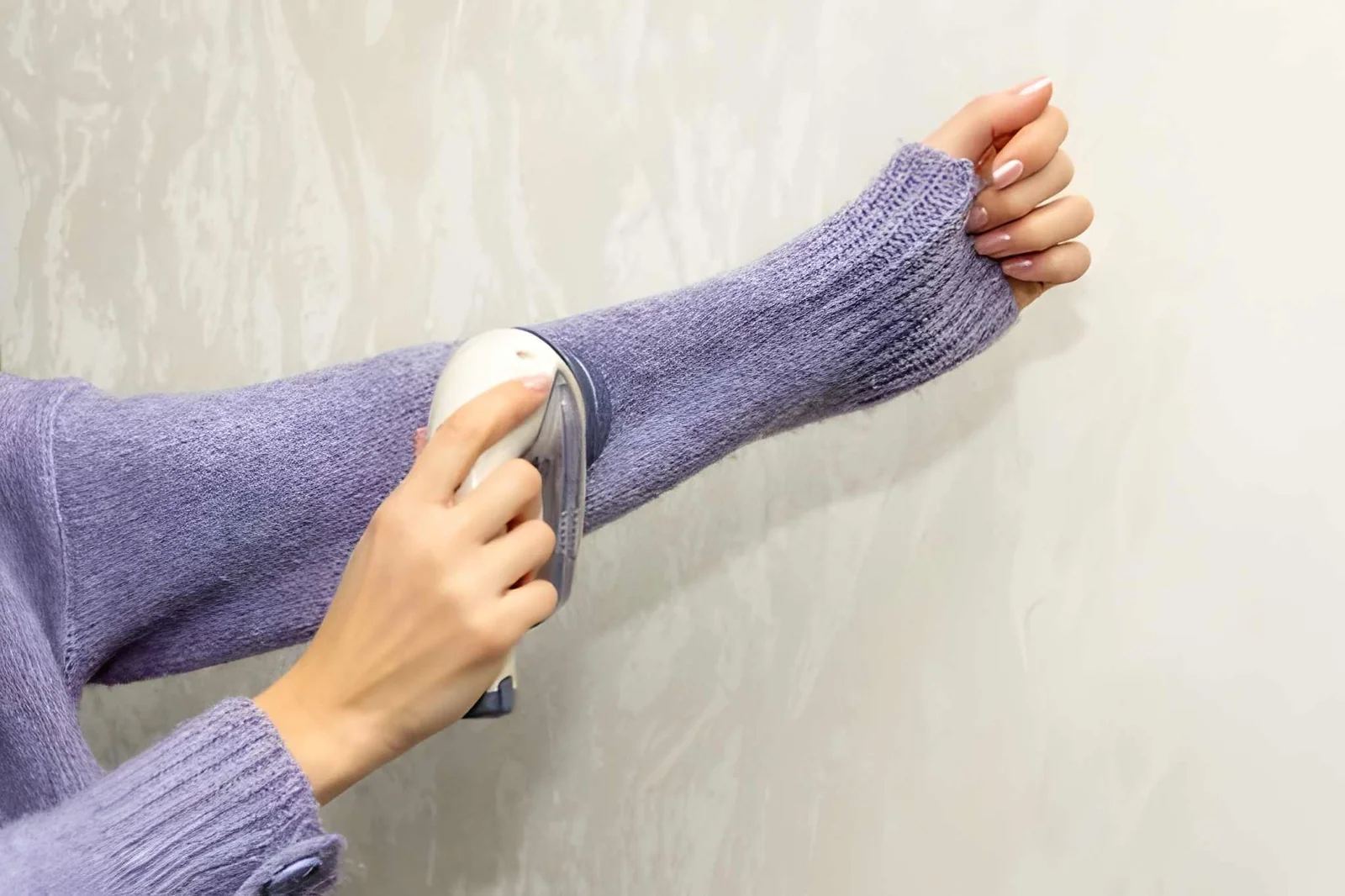
A favorite sweater goes from sharp to scruffy after a few wears. Tiny fuzzy balls collect on the sleeves, under the arms, and along the sides, and suddenly a piece that looked brand new in the fall looks tired by winter. The frustrating part is that nothing is actually wrong with the garment. It’s just pilling, and it can be fixed.
This guide covers what causes pilling, the tools that remove it safely, a step by step method that works on most fabrics, and the laundry habits that keep it from coming back.
What Pilling Is and Why It Happens
Pilling is what happens when short or loose fibers on the surface of a fabric rub together, tangle, and form small balls. Friction is the main cause. Areas that rub against skin, bags, seat belts, or other clothes, like the underarms, cuffs, and sides of a sweater, tend to pill first.
Washing plays a part too. Hot water, rough agitation, and long dryer cycles weaken fibers and make them break loose faster. Once a fiber breaks, it tangles with its neighbors and forms a pill. In fabrics made with strong synthetic fibers, the pill often stays attached instead of falling away, which is why it keeps building up.
Which Fabrics Pill the Most
Some fabrics are simply more prone to it than others. The fiber type and how tightly the fabric is woven or knit both matter.
| Fabric | Pilling Risk | Why |
| Acrylic | High | Short, smooth fibers break and tangle easily |
| Polyester and polyester blends | High | Fibers are strong, so pills stay attached instead of falling off |
| Wool and cashmere | Medium to high | Soft, short fibers rub loose with friction |
| Cotton blends | Medium | Depends on fiber length and weave |
| Linen and silk | Low | Long, strong fibers that resist breaking |
Tightly woven fabrics made from long, strong fibers, such as linen, silk, and good quality long staple cotton, generally resist pilling better than loosely knit fabrics made from short fibers.
Tools That Remove Pilling
There’s no single perfect tool. The right choice depends on the fabric and how heavy the pilling is.
| Tool | Best For | Watch Out For |
| Electric fabric shaver | Most fabrics, fast results on large areas | Keep it moving and use it on a flat surface to avoid cutting the fabric |
| Sweater stone | Wool, knits, and sturdier sweaters | Pressing too hard can wear or thin the fabric |
| Fabric comb | Cashmere, merino, and other fine knits | Slow on heavy pilling, so use gentle strokes |
| Lint roller or tape | Light surface pills and loose fuzz | Does little for stubborn, anchored pills |
| Safety razor | Cotton, polyester, and tough synthetic blends | Easiest tool to damage fabric with, so keep it as a last resort |
How to Remove Pilling Step by Step
- Check the care label first, and test the tool on a hidden spot, like the inside hem, before using it on a visible area.
- Lay the garment flat on a hard, even surface, such as a table or ironing board. Working on a flat surface keeps the fabric from bunching and getting nicked.
- Pull the area gently taut with one hand.
- Use the tool lightly, moving in one direction and with the grain of the fabric, which is the direction the threads run.
- Lift the tool when changing direction so it doesn’t snag.
- Clear away the removed pills with a lint roller, a piece of tape, or a quick shake, then check the area under good light.
- Repeat on any remaining spots, working slowly. Several light passes are safer than one heavy one.
Methods in Detail
Electric Fabric Shaver
A battery powered fabric shaver, sometimes called a defuzzer, is the fastest option for most clothes. It trims the pills off the surface with a small spinning blade protected by a guard. Glide it across the fabric with light pressure and keep it moving, and empty the collection chamber when it fills up. It’s especially useful on large areas like the front of a sweater or a pair of sweatpants.
Sweater Stone
A sweater stone is a lightweight, pumice like block with tiny pores that catch pills and pull them off the surface. Patagonia’s care guide suggests working with the grain, pushing down gently and pulling in one direction, and lifting the stone whenever the direction changes to avoid snags. Brush the stone clean every so often so it keeps gripping.
Fabric Comb
For delicate fibers like cashmere and merino wool, a fabric comb is the gentlest choice. Pull the area taut and comb in one direction using slow strokes. It takes longer than a shaver, but it’s less likely to thin out a fine knit.
Lint Roller or Tape
For light surface fuzz, pressing sticky tape or a lint roller over the area lifts loose fibers right away. It won’t remove firmly anchored pills, but it’s a handy first step before using a stone or shaver, and it’s good for collecting debris afterward.
Safety Razor
A disposable or safety razor can work on tough cotton and synthetic blends, using short, light strokes with the fabric held taut. It’s also the riskiest option, since one slip can cut a hole in the fabric. It’s best saved for sturdy items and used only when other tools aren’t available.
Removing Pilling from Specific Items
Sweaters and Knitwear
Start with a fabric comb or sweater stone for wool and cashmere, and use a shaver only with a gentle touch. Pay extra attention to the underarms, cuffs, and sides, where pilling usually builds up first.
Sweatshirts, Fleece, and Sweatpants
These are often synthetic blends, so a fabric shaver tends to work quickly. Go lightly on thinner fleece, which can be damaged by too much pressure.
Cotton T-Shirts and Bedding
Cotton blends respond well to a shaver or a careful pass with a stone. For bed sheets, lay them flat across a bed or table and work in sections so the fabric stays smooth.
How to Prevent Pilling
Removing pills is easier than getting rid of them for good, so prevention matters. Care guides from brands like Patagonia recommend washing synthetics separately from lint attracting fabrics like terry cloth and rough fabrics like denim, since the rubbing between them speeds up pilling.
- Turn clothes inside out before washing to protect the outer surface.
- Use a gentle cycle with cool or lukewarm water, and a mild detergent.
- Wash delicate knits in a mesh bag or by hand.
- Skip high heat in the dryer, and air dry sweaters flat when possible.
- Avoid overloading the washer, since crowded loads cause more rubbing.
- Wear a bag strap or seat belt over a different layer, when possible, to reduce friction on a favorite sweater.
- Choose tightly woven fabrics from long fibers when buying new pieces.
Common Mistakes to Avoid
- Pulling pills off by hand, which can tug on the fibers and make the damage worse.
- Pressing hard with a stone or shaver, which can thin or cut the fabric.
- Working on a soft, uneven surface where the fabric can bunch up.
- Using a razor on loose knits, where a single slip can snag or cut the yarn.
- Washing everything together on a hot, heavy cycle.
When Pilling Can’t Be Fixed
Occasionally pilling is a sign the fabric itself is worn out. If the surface is thinning, the knit is coming apart, or the pills come right back after a single wear, the fibers have likely broken down too far to restore. At that point it’s usually better to use the garment for lounging or consider replacing it, rather than shaving it again and again.
Final Thoughts
Pilling is normal wear, not a defect, and most clothes can be restored in a few minutes with the right tool. A fabric shaver is the quickest option for most pieces, a fabric comb or sweater stone is gentler for delicate knits, and tape or a lint roller handles the light stuff. Pair that with gentler laundry habits, and the clothes stay smooth much longer.
Frequently Asked Questions
What is the best way to remove pilling from clothes?
A battery powered fabric shaver is the fastest and easiest option for most fabrics, while a fabric comb or sweater stone works better for delicate knits like cashmere and wool.
Can I use a razor to remove pilling?
Yes, a safety razor can work on sturdy cotton and synthetic fabrics when used with light strokes on taut fabric, but it carries more risk of cutting the material than a fabric shaver or stone.
Why do my clothes pill so quickly?
Friction, rough washing, hot water, and fabrics made from short or weak fibers all speed up pilling, as does washing delicate items with abrasive ones like denim or towels.
Does removing pills damage clothes?
Done gently, it shouldn’t. Pressing too hard, working on an uneven surface, or using a razor carelessly can thin or cut the fabric, so light pressure and a flat surface matter.
Which fabrics are least likely to pill?
Tightly woven fabrics made from long, strong fibers, such as linen, silk, and long staple cotton, tend to pill less than loosely knit acrylic, polyester blends, or soft wool.
How can I stop clothes from pilling in the wash?
Turn garments inside out, use a gentle cycle with cool water and mild detergent, wash synthetics apart from rougher fabrics, and avoid high heat in the dryer.


